
Fringetree, White
$154.99
Description
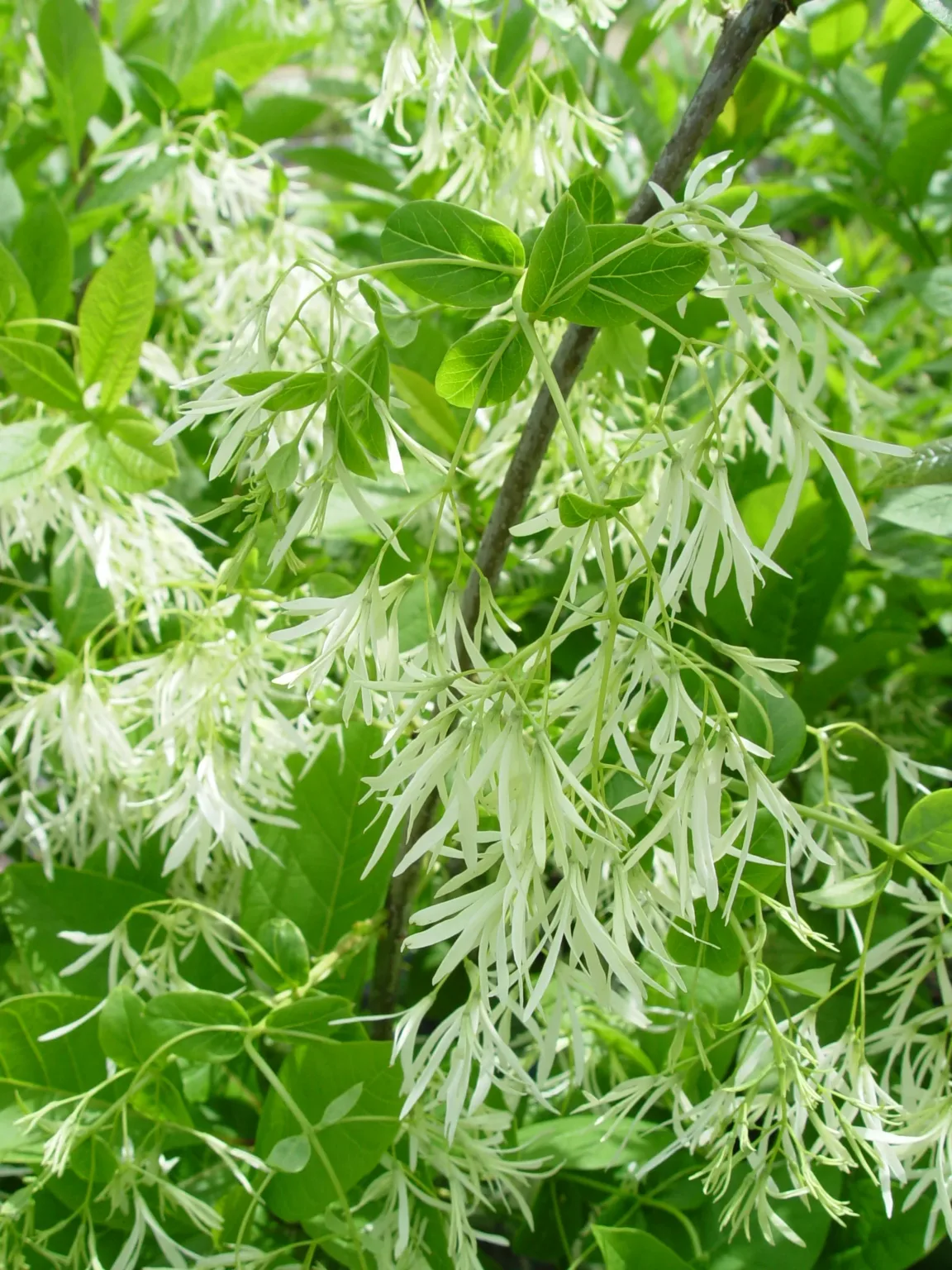
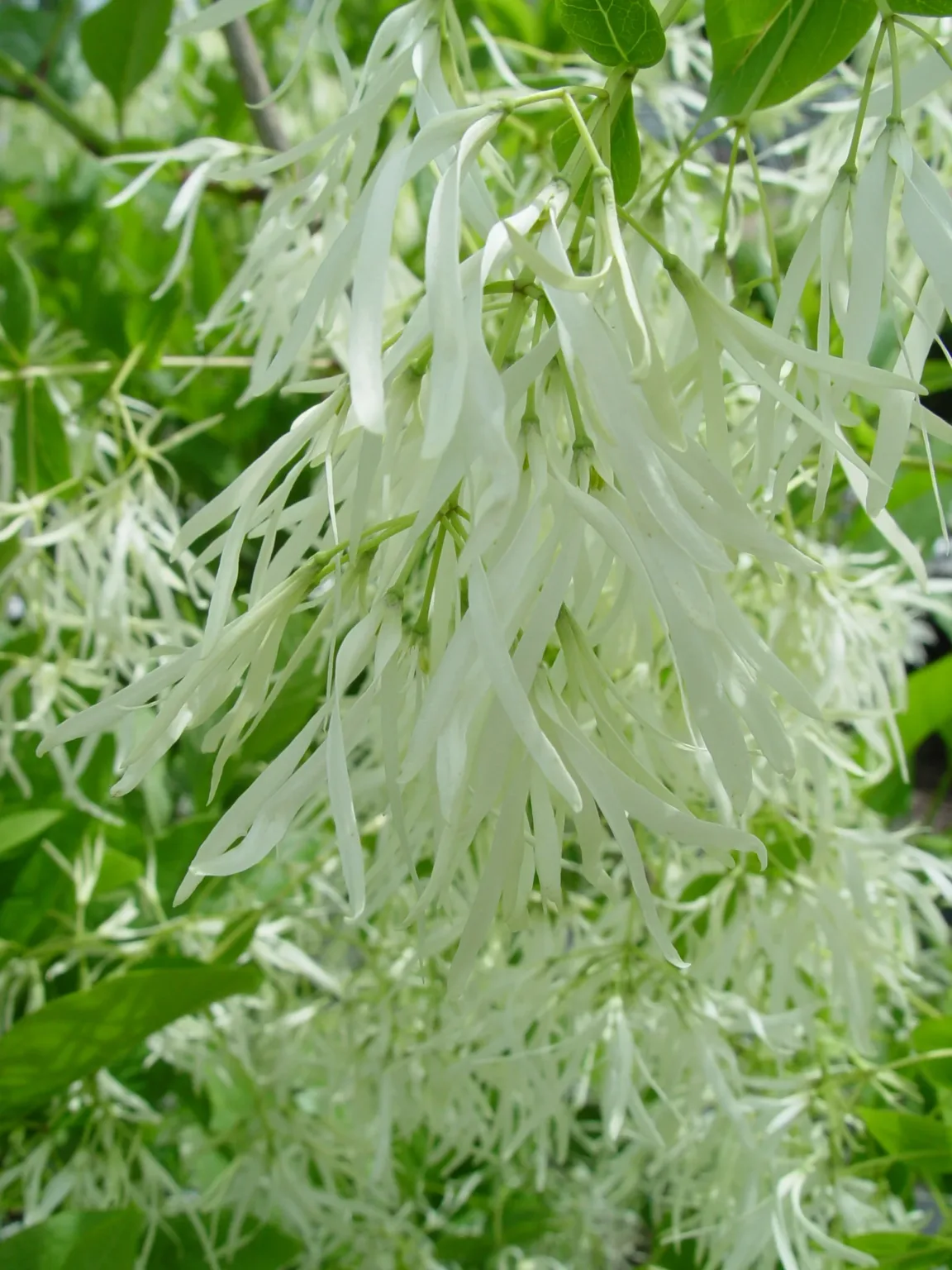
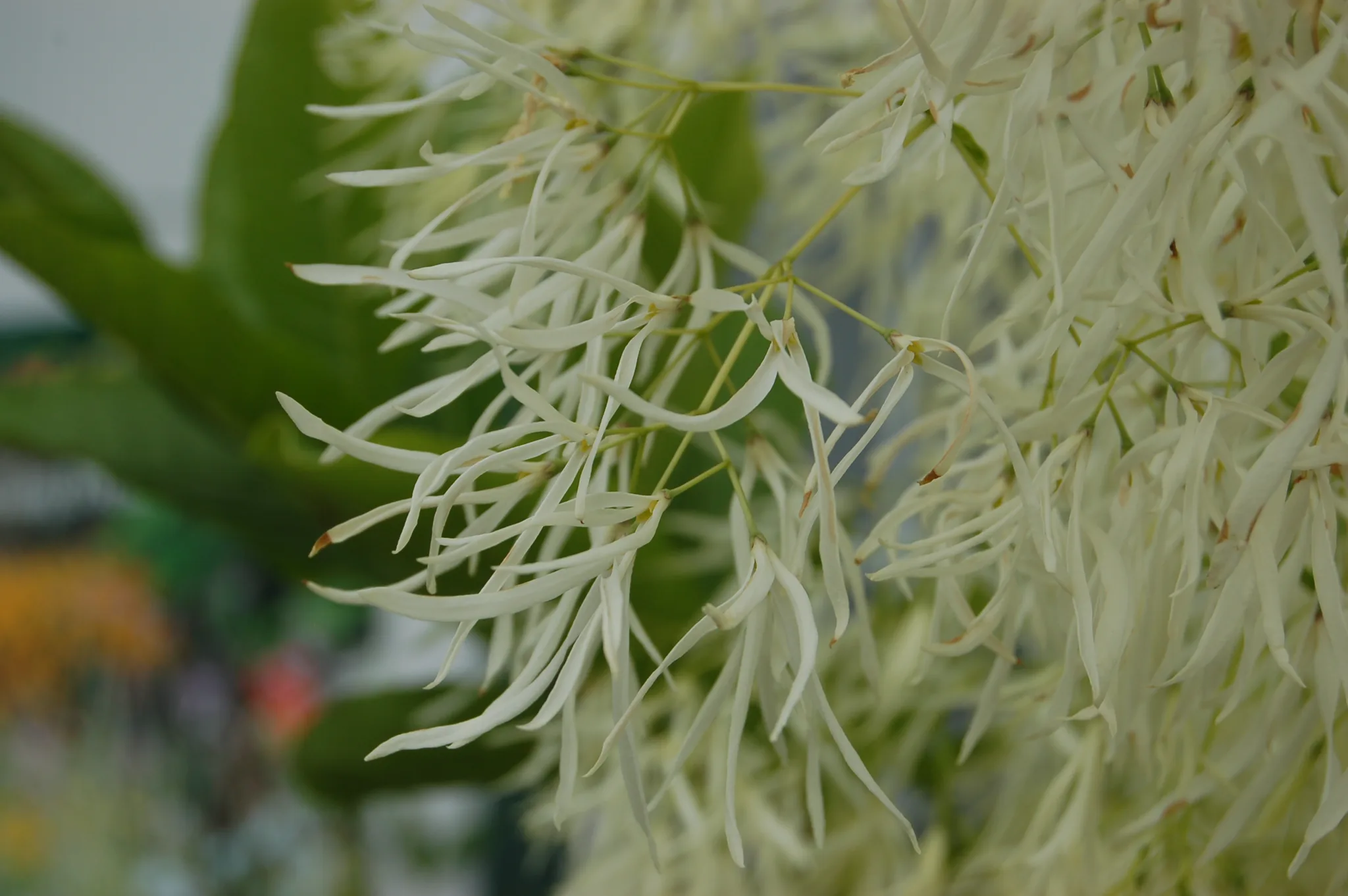
A carefree native, this small tree puts on a heck of a show in late spring with thousands of pendulous, delicately fragrant white flowers covering the tree before the leaves emerge. At the end of bloom season, the green leaf tips accent the snowy blooms for an impressive finale. It’s no wonder the Fringetree has been a garden favorite and heritage plant for generations!
The White Fringetree is dioecious, meaning that there are male and female trees. The males are typically showier in bloom due to their longer petals, however, it is the female plants that are bedecked with dark blue fruit in late summer. Birds relish the fleshy fruit and will find it easily, even though the foliage sometimes hides it from view. The best way enjoy it is to have at least one of each, and to be certain you get a male and female, purchase them in late summer or early fall when fruit will be present on the female plants.
Additional information
| Weight | 0.000 oz |
|---|---|
| Container Size | |
| Latin Name | Chionanthus virginicus |
| Plant Type | Ornamental Tree |
| Care | Easily grown in average, medium, well-drained soil but prefers moist, fertile soils. Intolerant of prolonged dry conditions. |
| Light Requirements | |
| Habit | Vase-shaped habit. |
| Plant Height | 18-20 Feet |
| Plant Width | 12-15 Feet |
| Foliage | Wide, green, spear-shaped leaves turn yellow in fall. |
| Bloom | Slightly fragrant, white, airy clusters bloom in Spring. |
| Zone | |
| Special Features | Attracts Songbirds, Fragrant, Native, Supports Naturalizing, Tolerant of Clay Soil, Urban Tolerant |
| Peak Season(s) |

Reviews
There are no reviews yet.